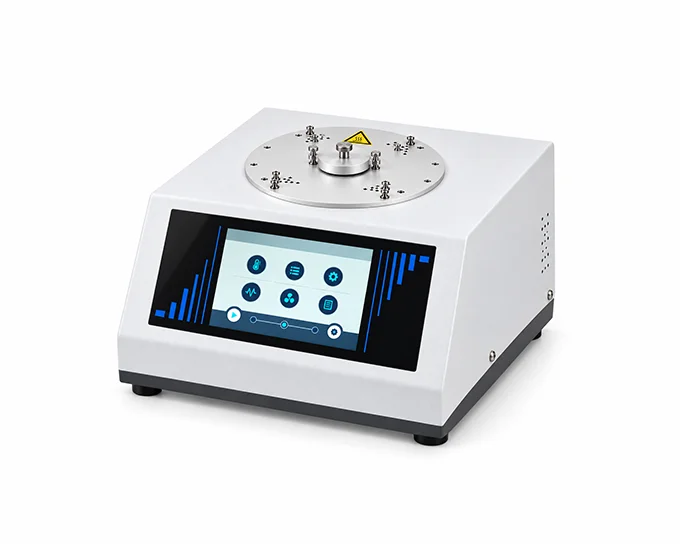
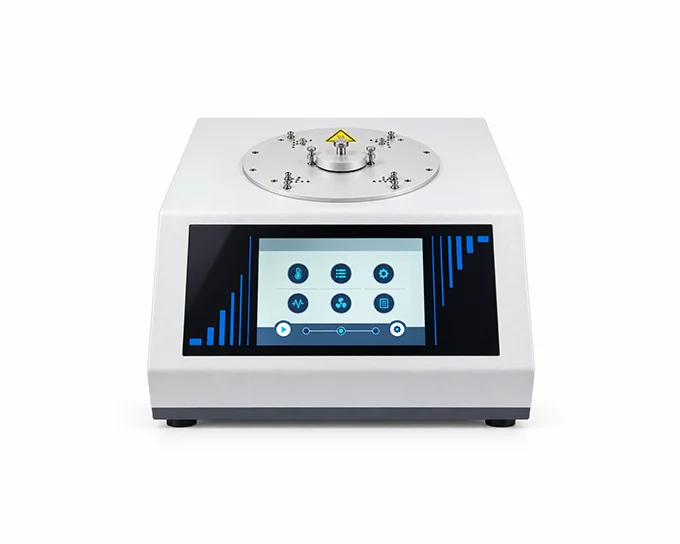
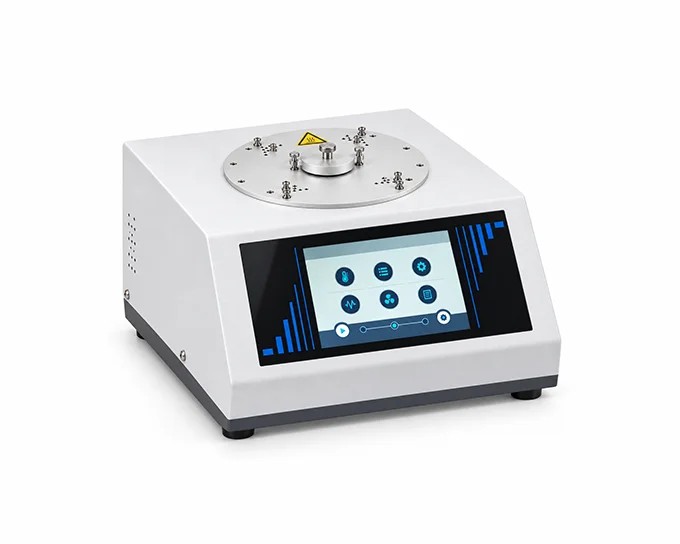
Product Overview
The Differential Scanning Calorimeter (DSC) continuously measures the difference in heat flow between a sample and a reference under a controlled temperature program. It detects endothermic and exothermic events to determine the thermal properties of materials.
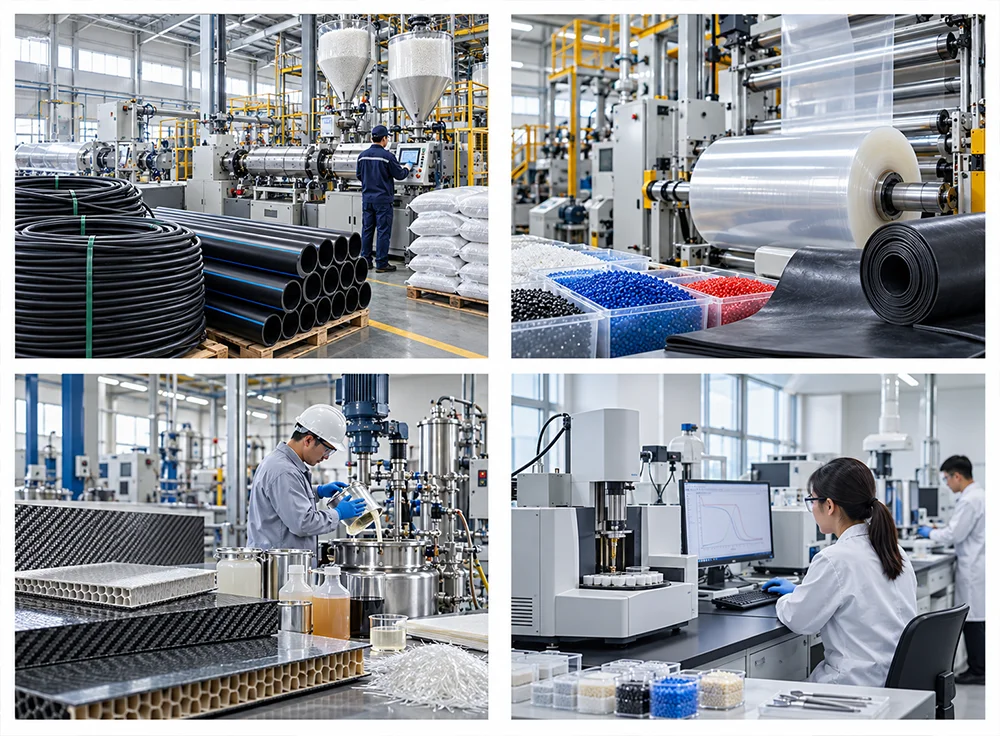
The instrument range supports research and development, incoming material inspection, and finished product testing for polymers, plastics, rubber, resins, composites, additives, and wire and cable materials. It meets routine laboratory thermal analysis needs. Available measurement functions depend on the model selected.
Measurement Capabilities
Oxidation induction time (OIT): assesses the thermo-oxidative stability and resistance to oxidative aging of plastics in accordance with GB/T 19466.6-2009.
Melting temperature and enthalpy of fusion: measures the melting temperature and associated heat change.
Glass transition temperature (Tg): characterizes the glass transition of polymers.
Crystallization temperature and enthalpy: characterizes material crystallization behavior.
Other thermal parameters: phase transition temperatures, curing reactions, and specific heat capacity.
Applicable Standards
GB/T 19466.6-2009 — Plastics — Differential scanning calorimetry (DSC) — Part 6
Determination of oxidation induction time (isothermal OIT) and oxidation induction temperature (dynamic OIT).
Additional supported methods
GB/T 19466.2 for glass transition testing and GB/T 19466.3 for melting and crystallization testing. Refer to the comparison table for model-specific capabilities.
Key Features
High-precision sensor provides a stable heat-flow signal and good test repeatability.
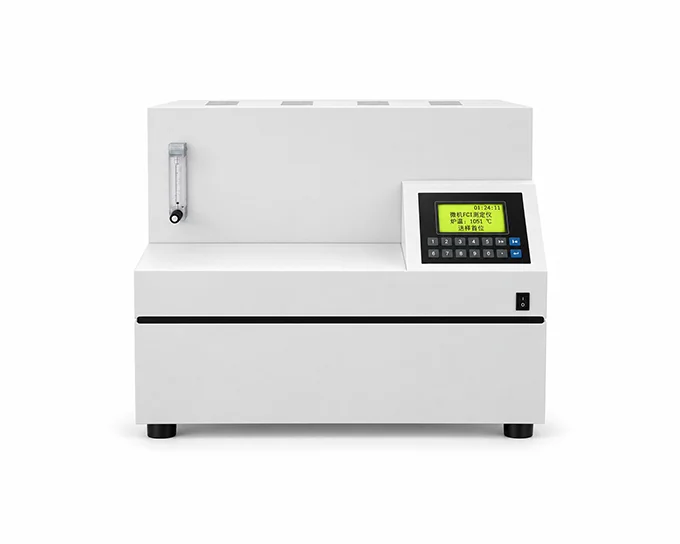
Electronic flow meter available on selected models for precise control of protective or oxidizing gas flow.
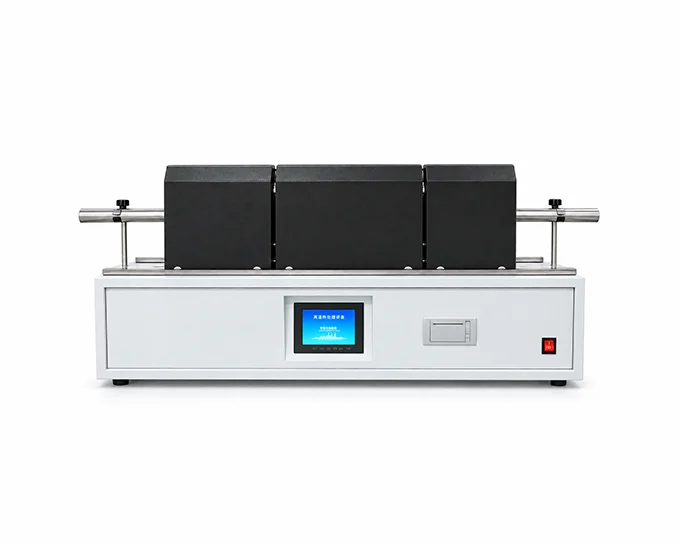
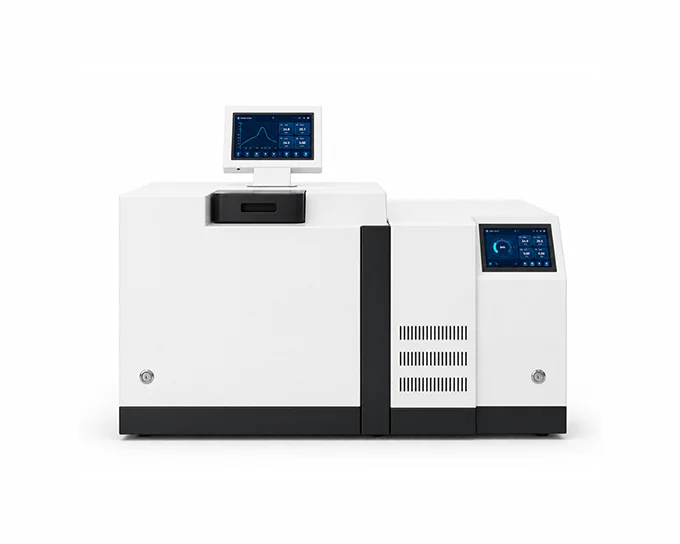
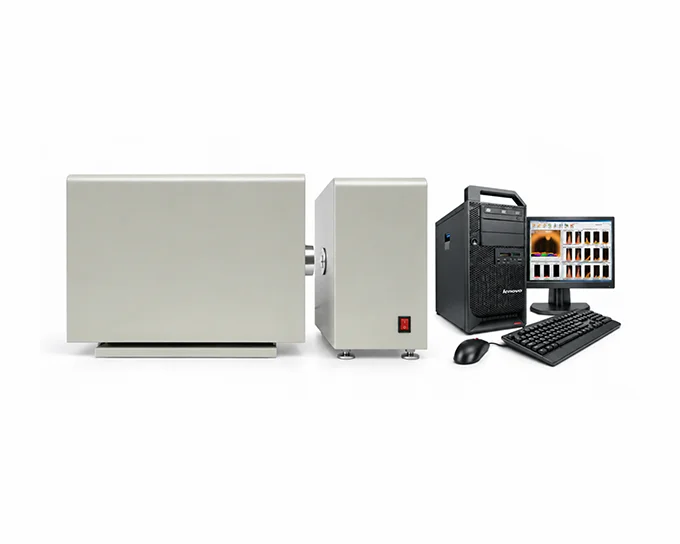
Multiple configurations include external-computer models, a large-screen integrated model, a model with optional cooling systems, and a model with built-in printing.
Dedicated analysis software automatically calculates supported parameters such as OIT, enthalpy, and glass transition temperature, with one-click test report export.
Stable furnace construction and a steady baseline support routine quality control of polymer materials.
Applications
Plastics, polyolefin raw materials, pipes, and cable compounds
OIT testing to assess oxidative stability.
Polymer resins, films, rubber, and plastics
melting, crystallization, and glass transition testing.
Chemical additives, composites, adhesives, pharmaceuticals, and foods
thermal property research.
University laboratories, quality inspection institutes, factory quality control departments, and research and development laboratories.
Model Comparison
| Parameter | JZDSC320 | JZDSC500Q | JZDSC530 | JZDSC600 | JZDSC510A | JZDSC510B | JZDSC510C |
| Compliance with GB/T 19466.6-2009 | Yes | Yes | Yes | Yes | / | Yes | Yes |
| Oxidation induction time testing | Yes | Yes | Yes | Yes | No | Yes | Yes |
| Melting point, enthalpy and glass transition testing | Yes | Yes | Yes | No | Yes | No | Yes |
| External computer required | Yes | Yes | Yes | No | Yes | Yes | Yes |
| Temperature range | RT to 500°C | RT to 500°C | −150 to 500°C (−LN) −40 to 500°C (−MR) −20 to 500°C (−ER) | RT to 500°C | RT to 500°C | RT to 500°C | RT to 500°C |
| Built-in printing | No | No | No | Yes | No | No | No |
| Electronic flow meter | No | Yes | No | No | Yes | Yes | Yes |
| Key features | Conventional DSC | 15-inch integrated large-screen design | Optional cooling system | Automatic OIT calculation; built-in data printing; cost-effective | Melting temperature testing for additives and other materials | Cost-effective OIT testing | High-sensitivity DSC |