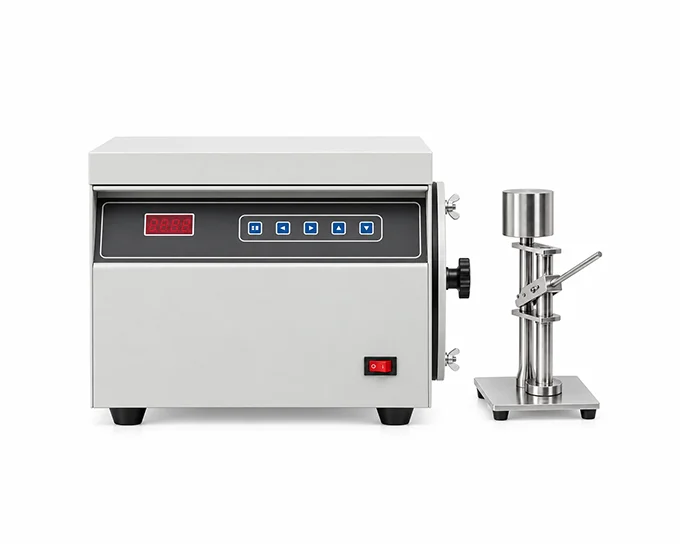
Automated coulometric Karl Fischer analysis for crude oil, lubricants, fuels, insulating oils and petroleum additives
Even trace amounts of water can promote lubricant emulsification, reduce fuel combustion efficiency, accelerate corrosion and compromise electrical insulation. Accurate moisture measurement is therefore essential throughout crude-oil production, refining, storage, transportation and end use.
Coulometric Karl Fischer Method
Karl Fischer titration is a selective method based on the quantitative reaction of water with iodine and sulfur dioxide in a suitable solvent system. In coulometric analysis, iodine is generated electrochemically and reacts with the water in the sample. Moisture content is calculated from the electrical charge consumed. Because no titrant standardization is required, the method offers high sensitivity for trace moisture at ppm levels and is widely used for petroleum products.
Compared with conventional distillation and other approaches, coulometric Karl Fischer analysis uses a small sample volume, provides rapid results and supports a broad range of oils, fuels and additives. It is particularly valuable for insulating and transformer oils, where very low moisture levels must be monitored.
Key Features of the JZ-WS-9000C
Application and Referenced Standards
| Product Category | Why Moisture Matters | Referenced Standard(s) |
| Crude oil | Custody transfer and refinery feed quality | GB/T 11146; GB/T 26986 |
| Lubricants and base oils | Emulsion prevention and equipment protection | GB/T 11133 |
| Fuel oils and finished fuels | Combustion performance and corrosion control | GB/T 11133; SH/T 0246 |
| Insulating and transformer oils | Dielectric performance and equipment reliability | GB/T 7600 |
| Petroleum additives | Additive stability and blending quality | GB/T 11133 |
Applicable Testing Standards
The JANZONG JZ-WS-9000C Trace Moisture Analyzer delivers performance that meets or exceeds the requirements of the following national and industry standards, making it suitable for a wide range of petroleum-product testing applications:
- GB/T 7600 — Determination of Water Content in In-Service Transformer Oils by the Coulometric Method
- GB/T 11133-2015 — Determination of Water in Petroleum Products, Lubricating Oils and Additives by Coulometric Karl Fischer Titration
- GB/T 11146 — Determination of Water in Crude Oil by the Karl Fischer Method
- GB/T 26986 — Determination of Water in Crude Oil by Karl Fischer Potentiometric Titration
- SH/T 0246 — Determination of Water in Light Petroleum Products by the Coulometric Method
- GB/T 8350 — Denatured Fuel Ethanol
- GB/T 8351 — Ethanol Gasoline for Motor Vehicles
- GB/T 6283 — Determination of Water in Chemical Products by the Karl Fischer Method (General Method)
Typical Petroleum Applications
Crude Oil
Moisture affects crude-oil custody transfer, valuation and refinery operation. Excess water increases processing energy demand and can contribute to operational hazards in distillation systems. For light crude oils with low moisture content, direct coulometric injection offers rapid data for quality assessment and production planning. The source document references GB/T 11146 and GB/T 26986 for crude-oil moisture determination.
Lubricants and Base Oils
Water can cause emulsification, additive hydrolysis, corrosion and accelerated wear in turbine, hydraulic and gear oils. Base-oil moisture also affects the quality of finished lubricants. Ppm-level monitoring supports production quality control and condition assessment of in-service oils. The source references GB/T 11133-2015.
Fuel Oils and Finished Fuels
Moisture in gasoline, diesel and fuel oil can contribute to corrosion, filter icing and incomplete combustion. Ethanol-containing fuels are particularly sensitive because excess water may cause phase separation. The analyzer can support quality-control workflows for conventional fuels and ethanol fuels when the applicable test method and sample procedure are validated.
Insulating and Transformer Oils
Trace moisture lowers dielectric strength, accelerates insulation-paper aging and increases the risk of electrical-equipment failure. Coulometric Karl Fischer analysis is suitable for ppm-level monitoring of insulating and transformer oils. The source references GB/T 7600 for moisture in in-service transformer oil.
Petroleum Additives
Moisture can affect the activity and stability of detergents, dispersants, antioxidants, anti-wear additives and other formulations. A wide measurement range supports incoming inspection and production control for different additive types, subject to method suitability and interference checks.
Operating Considerations for Petroleum Samples
Use dry, tightly sealed containers and avoid moisture ingress or evaporation during sampling. Test promptly. If temporary storage is necessary, keep samples sealed in a cool, dry place. Homogenize viscous or waxy samples with controlled warming, avoiding temperatures that could drive off water.
Select the injection volume according to the expected water content and instrument range. Lower-moisture oils may require a larger sample, while wetter crude or fuel samples may require a smaller injection. Inject slowly beneath the reagent surface and avoid material adhering to the cell wall.
Replace Karl Fischer reagent when color, drift or performance indicates deterioration. After replacement, perform blank conditioning and a suitable water check in accordance with the operating procedure.
Operate in a dry area away from direct sunlight. Keep the titration cell sealed and wait for a stable drift value before testing low-moisture samples.
Heavy oils may require a validated auxiliary solvent. Confirm and blank-correct the solvent’s water content. Samples containing mercaptans aldehydes ketones or other reactive compounds may require specialized reagents or other validated pretreatment.
Conclusion
The JZ-WS-9000C combines coulometric Karl Fischer measurement with automated titration, high-capacity data storage and workflow-oriented accessories. It is intended to support moisture testing across crude oil, finished fuels, lubricants, insulating oils, base oils and petroleum additives, providing laboratories with timely data for product quality and equipment reliability.