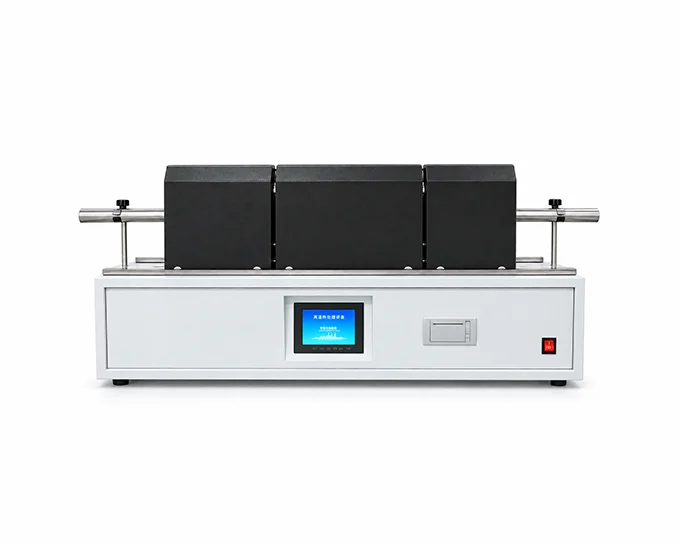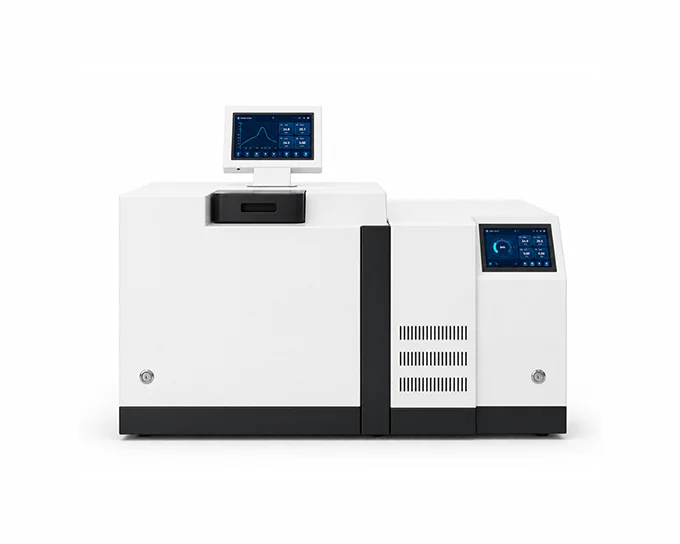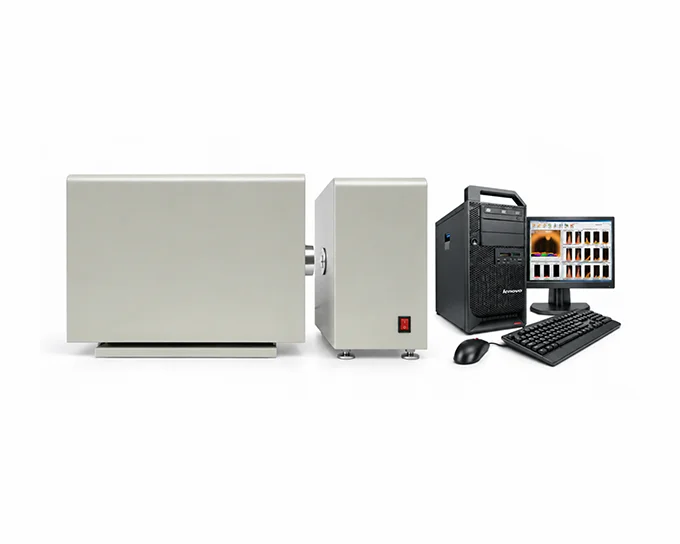
Supporting research and teaching across materials science, environmental engineering, chemistry, geoscience and agricultural studies
Sample preparation is fundamental to university research because it directly affects data accuracy and repeatability. As research in advanced materials, environmental engineering, chemistry and geoscience expands, laboratories need preparation equipment that combines precision, stability, flexibility and efficient operation.
Core Sample Preparation Solutions
Use in University Laboratories
The source material states that JANZONG sample-preparation equipment is used by universities including Tsinghua University and Harbin Institute of Technology. These institutions conduct demanding research in materials science, environmental engineering, chemistry and geological resources, where equipment stability and preparation consistency are essential. The products are also used in teaching laboratories, research projects and student capstone work at other universities and research organizations.
Typical Academic Applications
Materials Science and Engineering
Planetary ball milling is widely used in nanomaterial preparation, mechanical alloying, high-entropy alloy research and ceramic-matrix composite development. Combined revolution and rotation generate high-energy grinding capable of producing submicron or nanoscale powders. Agate jars suit oxide ceramics, stainless-steel jars suit metal alloys, and polyurethane jars suit softer materials. Variable speed and timing functions allow researchers to control mechanochemical and alloying parameters.
Environmental Science and Engineering
Soil, sediment and plant samples require controlled preparation before pollutant analysis. Sealed pulverizers can produce uniform soil powders while containing dust that may carry heavy metals or other contaminants. Agate grinding components help minimize metal contamination in trace-element analysis. Planetary mills provide additional fine grinding where improved digestion or analytical efficiency is required, while muffle furnaces support soil organic-matter and sediment-ashing procedures.
Chemistry and Chemical Engineering
Pulverizers and ball mills homogenize solid reagents, catalyst precursors and chemical raw materials, improving the consistency of subsequent reactions. High-energy milling can refine and mix catalyst materials, affecting surface area and active-site distribution. Programmable muffle furnaces support catalyst calcination, organic-matter ashing and thermal treatment, with controlled heating profiles that help researchers model industrial processes.
Geological Resources and Mining Engineering
Geology laboratories routinely handle large numbers of rock, mineral and coal samples and therefore require durable, efficient preparation equipment. Sealed pulverizers fitted with high-manganese-steel or tungsten-carbide bowls are intended for hard ores and coal. Combined with calorimeters, sulfur analyzers and related instruments, they can form a complete workflow from sample preparation to coal-quality analysis.
Food Science and Agricultural Engineering
Grain, feed, food and plant tissue can be ground and homogenized for nutrient analysis, contaminant testing and quality evaluation. Agate or zirconia bowls help limit metal transfer when trace elements are measured. Programmable muffle furnaces support standardized food-ash determination, while grinding systems also serve soil and crop preparation in agricultural-environment research.
Alignment with University Laboratory Needs
Conclusion
Jingzhong sample-preparation equipment supports research and teaching across multiple university disciplines. Sealed pulverizers, planetary ball mills, intelligent muffle furnaces and supporting tools are designed to provide laboratories with practical, reliable and cost-effective preparation workflows. Continued investment in product development can further expand their role in university laboratories and scientific research.